
The questions labs ask us most about containers, filters and sterilising, each answered on its own page with the sources we used.
Topics: Choosing a container and a filter|Containers per crop|Plant health in the vessel|Sterility, autoclave and material|Testing and evidence
Choosing a container and a filter
Choosing a container and a filterWhich filter grade should I use at each stage of micropropagation?Which grade fits initiation, multiplication, rooting and hardening off, and what each grade changes in gas exchange.Read the guide →Choosing a container and a filterRound or oval: the O118/80 or the OV80?The two most used Eco2Box containers side by side: floor area, height and which one fits your shelf and your shoots.Read the guide →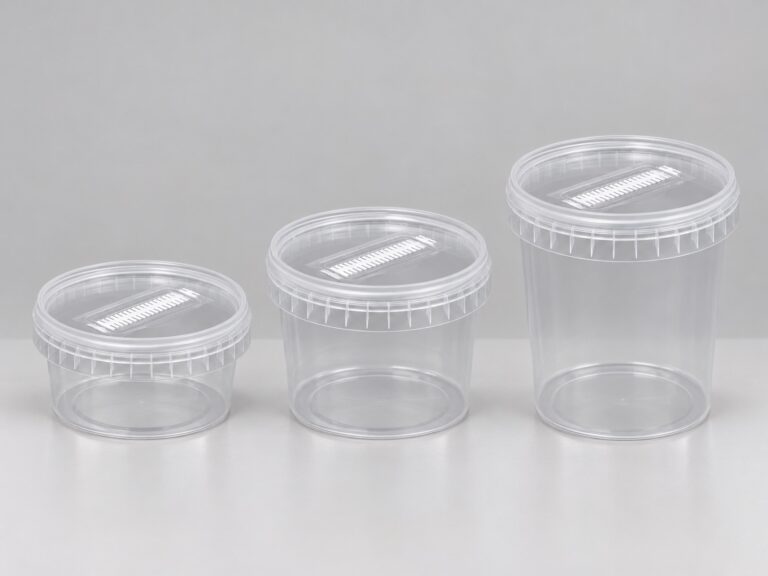 How to choose a tissue culture container: size and floorChoose a tissue culture container from four numbers in your protocol: shoots per vessel, floor area per shoot, shoot height and shelf height. With a size table.Read the guide →
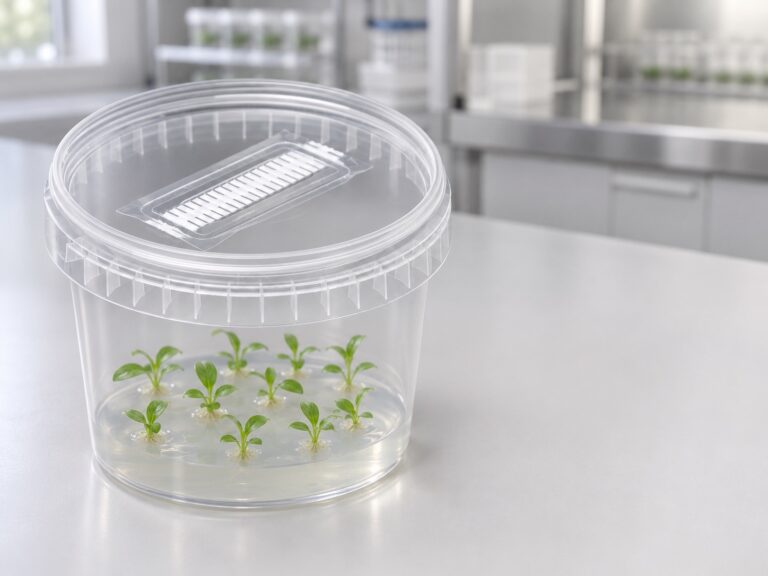 Plants per vessel: how many shoots fit in one containerPlants per vessel is base area divided by floor area per shoot. Two worked tables give the count for eight Eco2Box articles, as an upper limit.Read the guide →
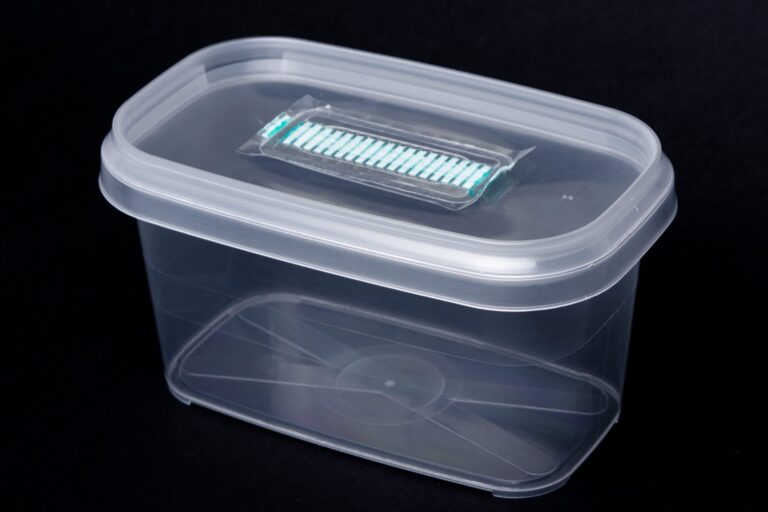 Green or white filter: gas exchange (Kv) per Eco2Box gradeThe green XXL+ filter exchanges about 8 times as much air as the white L. Kv per grade for round and oval Eco2Box containers, and what the number leaves out.Read the guide →
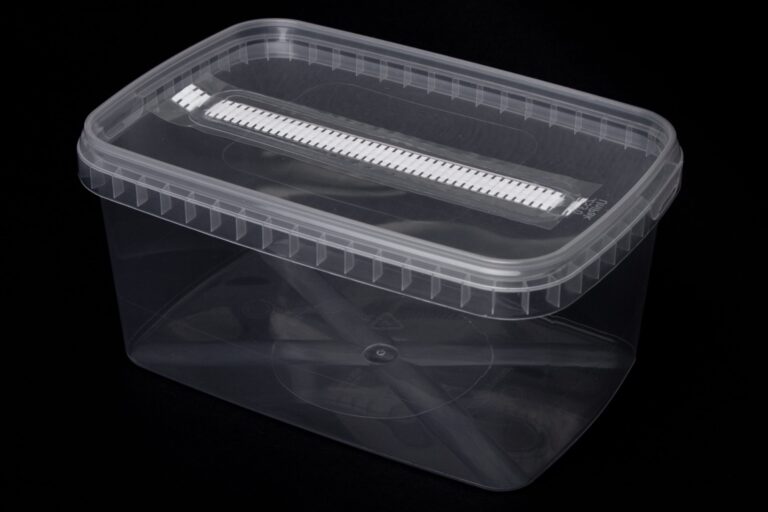 New tissue culture lab: choosing one vessel standardHow a new tissue culture lab chooses its vessel standard: from plants a year to vessels in circulation, with a worked calculation and a test first.Read the guide →
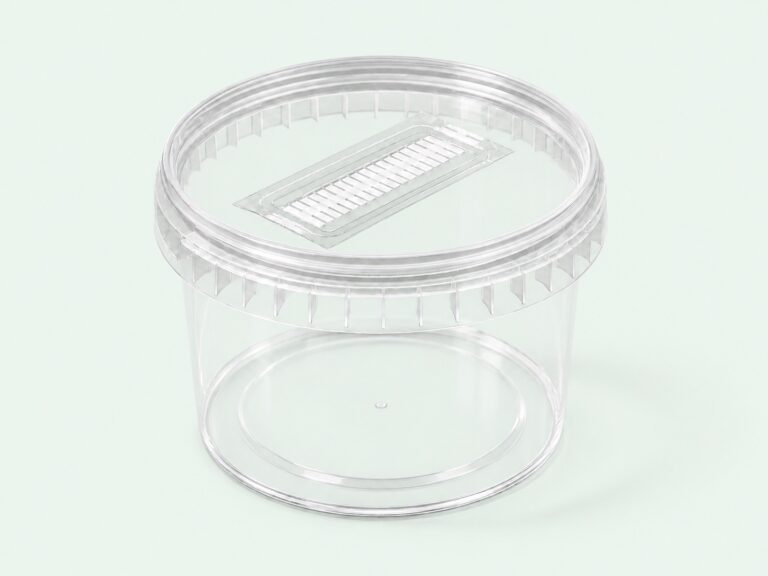 What is a Microbox? The Eco2Box vessel explainedMicrobox is Eco2's own original name for the Eco2Box vessel: a clear polypropylene tissue culture container with a filter lid. Sizes, grades and reuse.Read the guide →
How to choose a tissue culture container: size and floorChoose a tissue culture container from four numbers in your protocol: shoots per vessel, floor area per shoot, shoot height and shelf height. With a size table.Read the guide →Plants per vessel: how many shoots fit in one containerPlants per vessel is base area divided by floor area per shoot. Two worked tables give the count for eight Eco2Box articles, as an upper limit.Read the guide →Green or white filter: gas exchange (Kv) per Eco2Box gradeThe green XXL+ filter exchanges about 8 times as much air as the white L. Kv per grade for round and oval Eco2Box containers, and what the number leaves out.Read the guide →New tissue culture lab: choosing one vessel standardHow a new tissue culture lab chooses its vessel standard: from plants a year to vessels in circulation, with a worked calculation and a test first.Read the guide →What is a Microbox? The Eco2Box vessel explainedMicrobox is Eco2's own original name for the Eco2Box vessel: a clear polypropylene tissue culture container with a filter lid. Sizes, grades and reuse.Read the guide →
Containers per crop
Containers per cropWhich container size for blueberry and strawberry?How to size a container on floor area per shoot for blueberry and strawberry in vitro.Read the guide →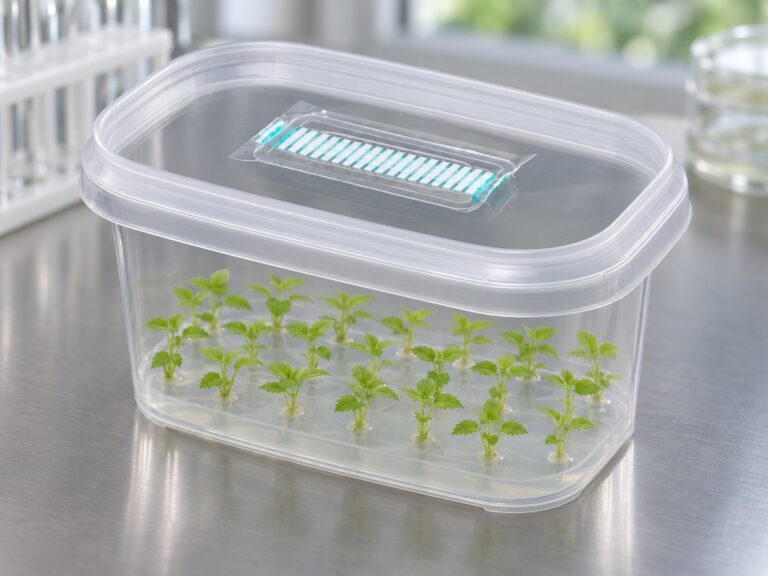 Raspberry micropropagation: vessels and filter gradesWhich vessel and filter grade for raspberry micropropagation with 20 shoots per vessel, and for rooting: floor per shoot per Eco2Box article and a test plan.Read the guide →
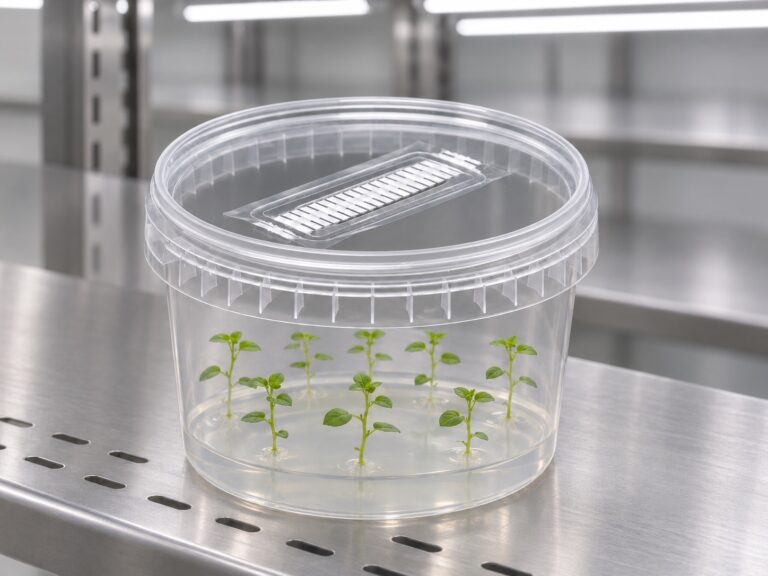 Vessels for potato micropropagation: size and filterWhich vessel for potato micropropagation: height first, then floor per cutting, then filter grade. A method for a sturdy crop, with no trial claimed.Read the guide →
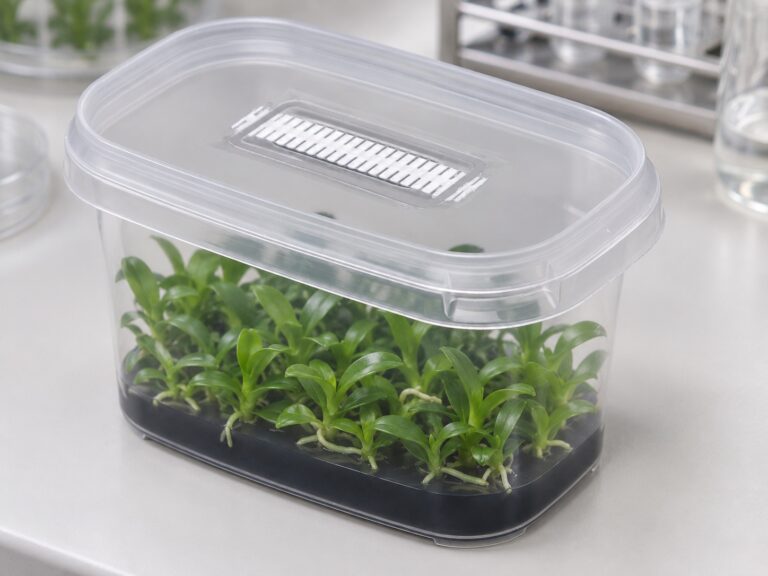 Vessels for orchid propagation: from sowing to saleWhich vessel and filter grade for orchid propagation in vitro, stage by stage: sowing, replating, growing on, and a tray without filter for the last months.Read the guide →
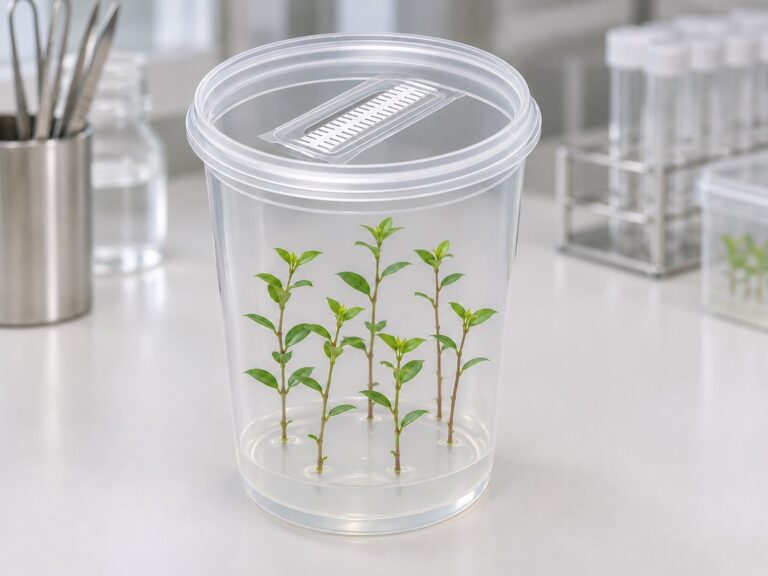 Woody plant tissue culture: vessels for treesWhich vessel for woody plant tissue culture: height for long shoots, a filter grade for long cycles and a lid that locks. Literature only, no trial claimed.Read the guide →
Raspberry micropropagation: vessels and filter gradesWhich vessel and filter grade for raspberry micropropagation with 20 shoots per vessel, and for rooting: floor per shoot per Eco2Box article and a test plan.Read the guide →Vessels for potato micropropagation: size and filterWhich vessel for potato micropropagation: height first, then floor per cutting, then filter grade. A method for a sturdy crop, with no trial claimed.Read the guide →Vessels for orchid propagation: from sowing to saleWhich vessel and filter grade for orchid propagation in vitro, stage by stage: sowing, replating, growing on, and a tray without filter for the last months.Read the guide →Woody plant tissue culture: vessels for treesWhich vessel for woody plant tissue culture: height for long shoots, a filter grade for long cycles and a lid that locks. Literature only, no trial claimed.Read the guide →
Plant health in the vessel
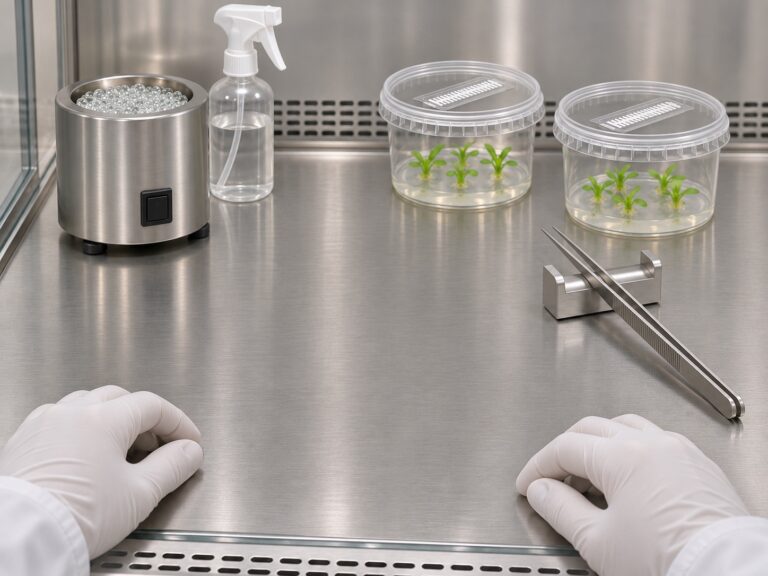 Plant tissue culture contamination: where it comes fromContamination in plant tissue culture enters by the explant, by handling or at the closure. See which route a vessel lid can close and which it cannot.Read the guide →
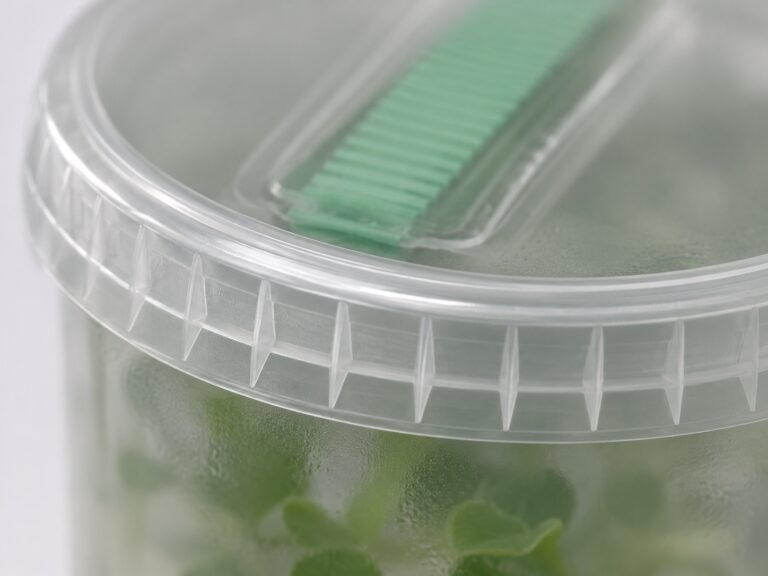 Thrips in tissue culture: how they enter vesselsThrips in tissue culture enter under a loose lid, with the plant material or at transfer. See what a lid that locks changes and what it cannot.Read the guide →
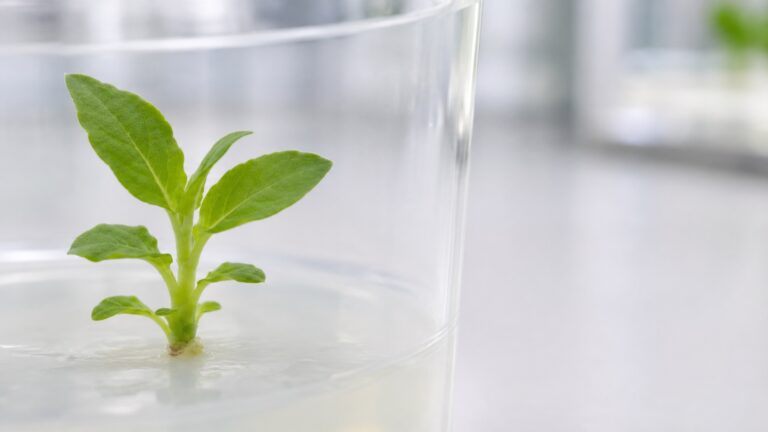 How to prevent hyperhydricity: medium and vesselPrevent hyperhydricity from two sides: what to change in the medium and what the vessel's gas exchange can and cannot do, with the one container study.Read the guide →What is vitrification in tissue culture?Vitrification in tissue culture is the older name for hyperhydricity: glassy, watery shoots. One problem, two names, and where to read on.Read the guide →
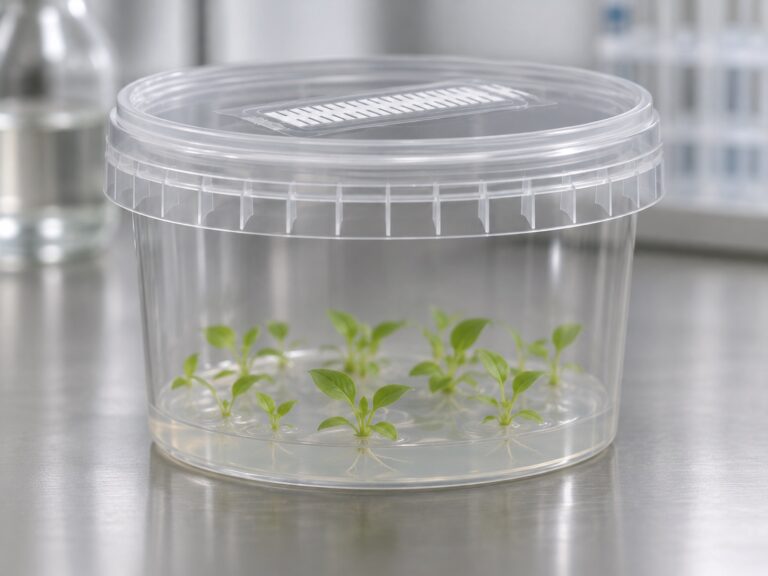 Medium drying or condensation: more ventilation or less?Medium dries out too fast: step one filter grade down. Condensation or glassy shoots: test one up. Kv per step for Eco2Box grades and a weighing test.Read the guide →
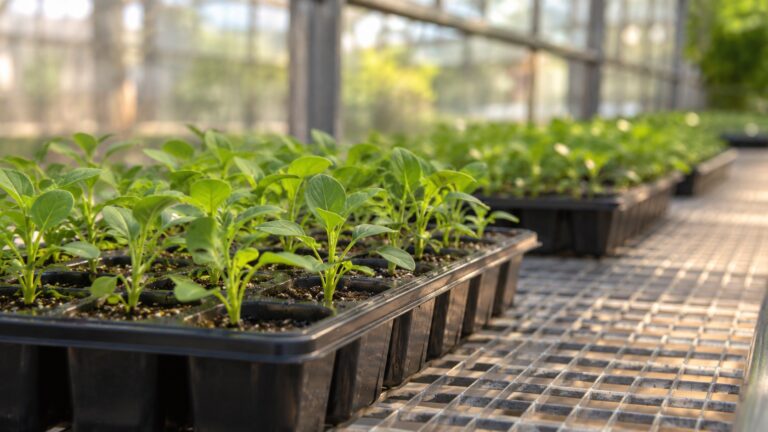 Hardening of tissue culture plants: the vessel's partHardening of tissue culture plants starts before transfer. What the vessel's gas exchange can prepare, which filter grade to try, and what one study found.Read the guide →Ex vitro survival by vessel type: what studies sayEx vitro survival by vessel type: the studies we could open, each with crop, vessel, group size and result. No pooled figure, and what is missing.Read the guide →
Sterility, autoclave and material
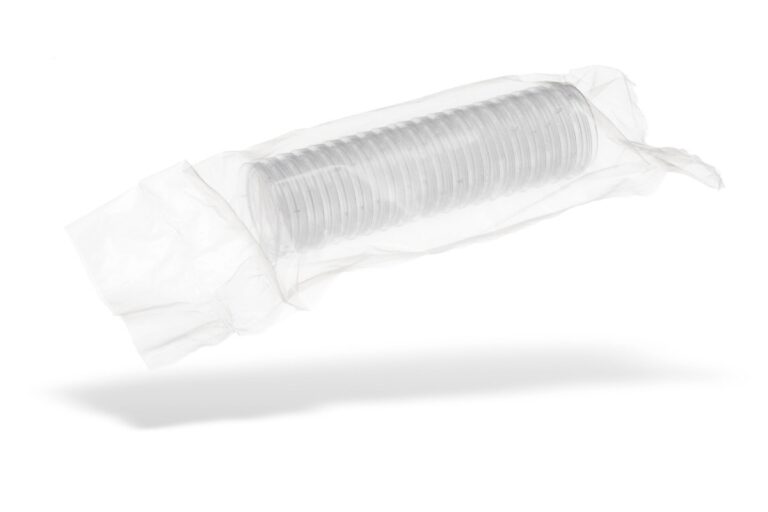 Are Eco2Box containers sterile, and can I autoclave them?Eco2Box sets come untreated (autoclave at 121 °C before first use, at most 5 uses) or gamma irradiated (supplied sterile). Which route fits your lab.Read the guide →
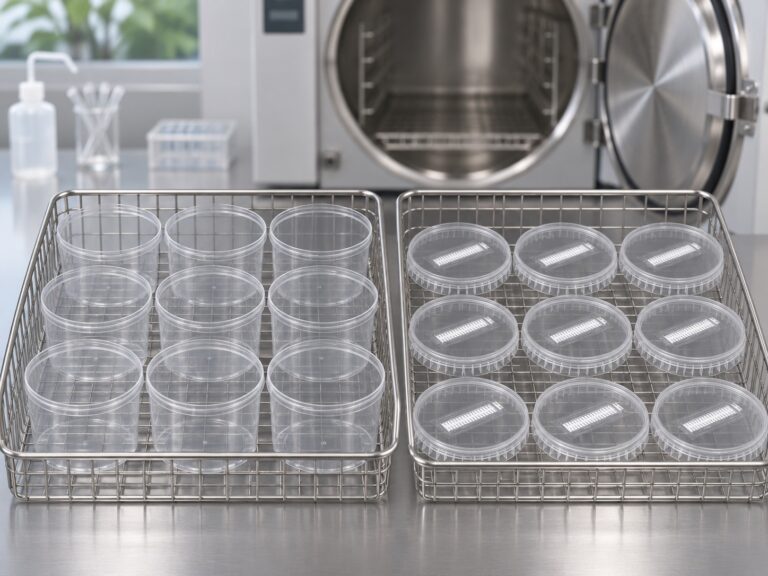 How many times can a polypropylene vessel be autoclaved?Untreated Eco2Box vessels: autoclave at 121 °C, at most 5 uses recommended, never more than 10. What brittle means and what to check.Read the guide →
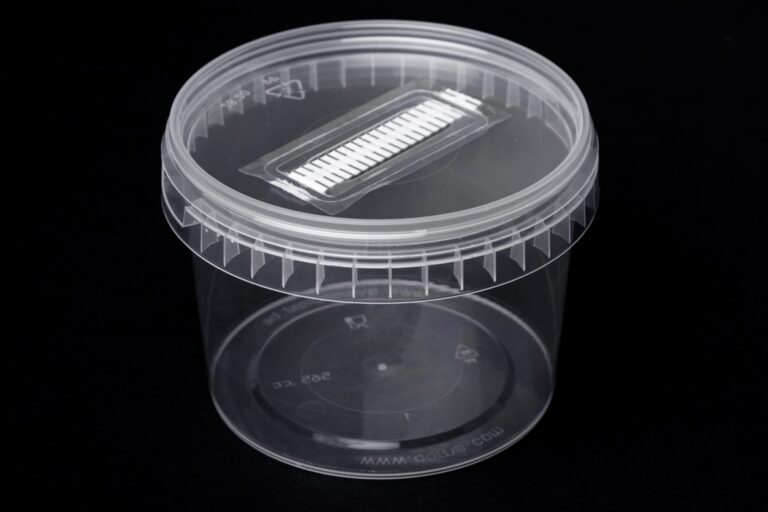 Polypropylene containers for tissue culture: the factsPolypropylene containers for tissue culture: how clear they are, the -5 to +135 °C range, autoclaving at 121 °C (at most 5 uses) and what is unpublished.Read the guide →
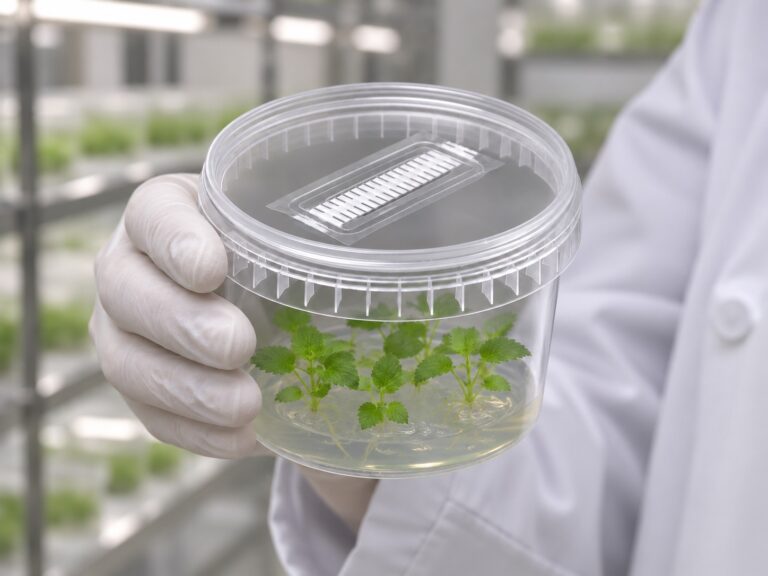 Glass or polypropylene for plant tissue cultureGlass or polypropylene for plant tissue culture: heat range, autoclave cycles, weight, closure and gas exchange side by side, with a source for every figure.Read the guide →
 Single use or reuse: the real cost of a culture vesselSingle use or reuse is decided per saleable plant, not per vessel. A worksheet you fill in with your own numbers: purchase, washing, losses, survival.Read the guide →
Testing and evidence
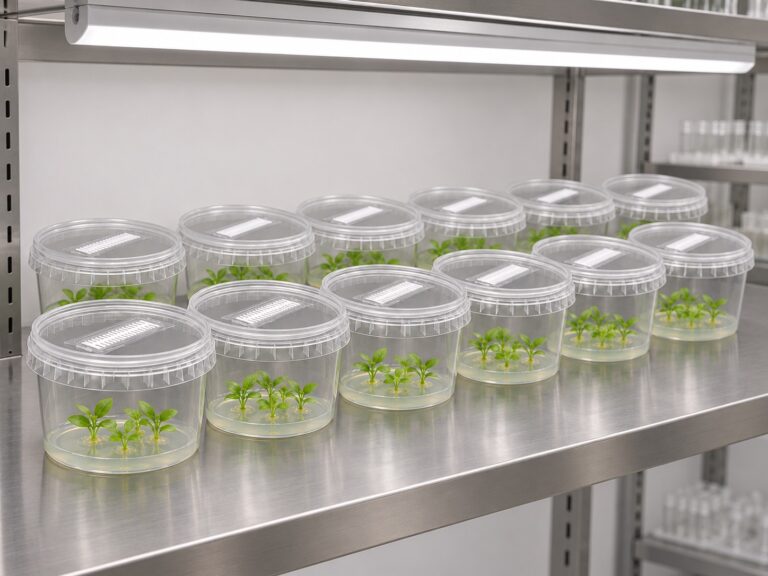 Culture vessel trial: how to test a new vessel fairlySet up a fair culture vessel trial: one batch, one shelf, a full cycle and a score after planting out, with a printable score sheet for five points.Read the guide →
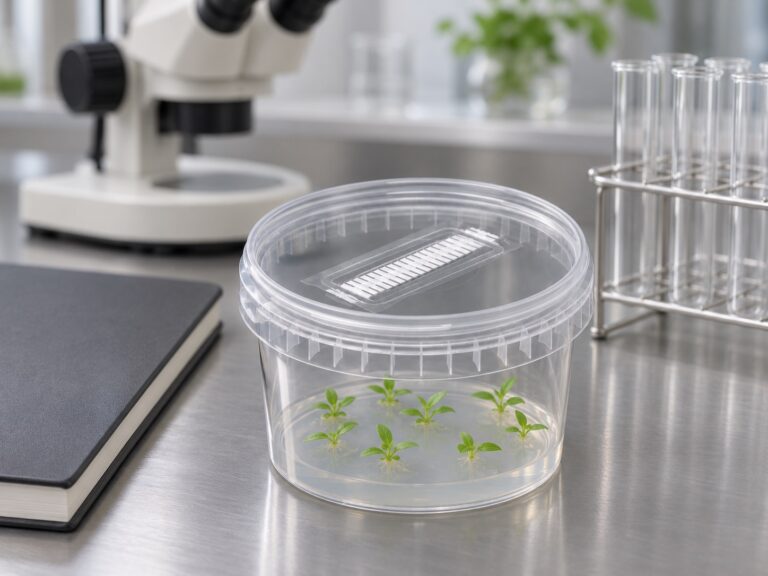 Published studies that used Eco2Box vesselsPublished studies that used Eco2Box vessels in their methods, with the sentence that names the vessel quoted from each paper and a DOI to check it.Read the guide →
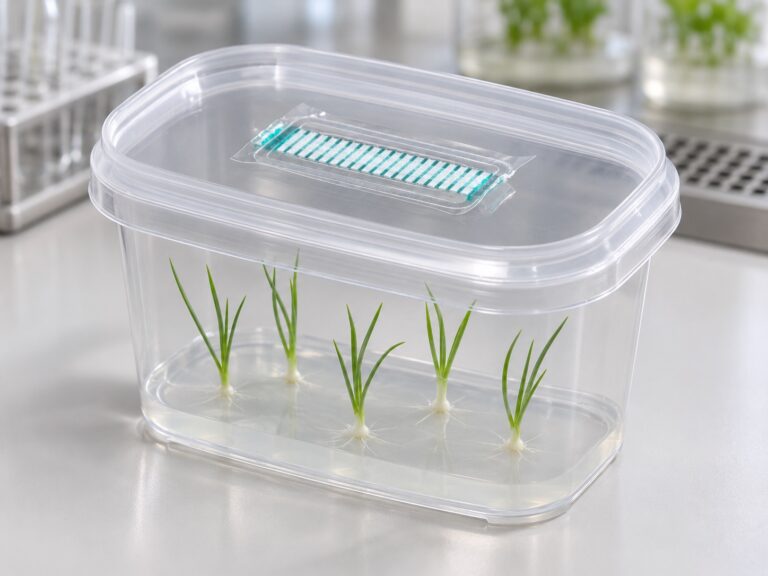 The 2015 onion study, read carefully (Fayos et al.)What the Fayos 2015 onion study measured in an Eco2Box vessel: 4.2% hyperhydricity and 70.8% acclimatised under one protocol, with every count and caveat.Read the guide →
 Tissue culture terms in plain words (EN and NL)Tissue culture terms in plain words: in vitro, ex vitro, hardening off, hyperhydricity, Kv and 11 more, in English and Dutch, each linked to a guide.Read the guide →
Test on your own plantsRun Eco2Box containers beside the ones you use now. Sample sets are available on request.
Request a sample setSee the product rangeAsk a question
Request a sample setSee the product rangeAsk a question